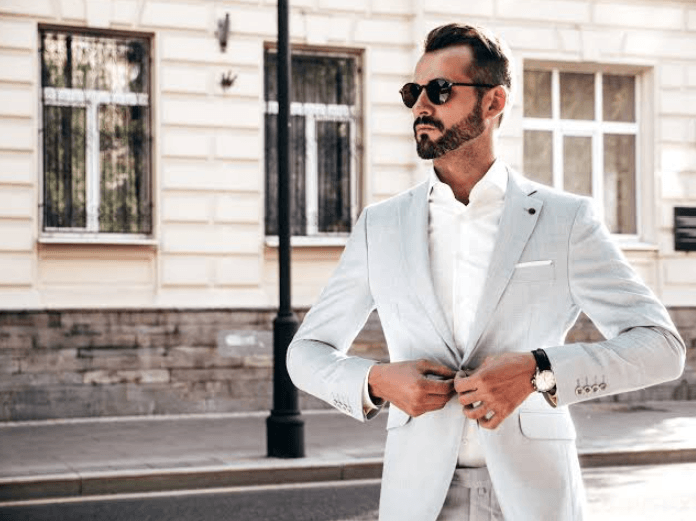
Clothing does far more than protect the body from weather or meet basic social expectations. Every outfit assembled in the morning carries small decisions about colour, fit, texture, and mood, and those decisions quietly communicate something about the person wearing them. Across Australia, where climate and culture blend relaxed practicality with bold self-expression, personal style has become a language of its own. Understanding how appearance connects to identity reveals why fashion feels so deeply personal, and why two people wearing the same garment can still look entirely distinct.
The Psychology Behind Everyday Clothing Choices
The way individuals dress often mirrors their internal sense of self long before words are exchanged. Psychologists have observed that clothing influences both how others perceive a person and how that person perceives themselves. A structured blazer can encourage a feeling of authority, while soft, familiar fabrics may promote comfort and calm. This connection between attire and mindset explains why wardrobe decisions are rarely random, even when they appear casual or effortless.
Personal history also shapes these choices in subtle ways. Garments inherited from family, souvenirs from travel, or pieces tied to significant memories carry emotional weight beyond their appearance. Over time, these accumulated items form a visual biography that reflects experiences, values, and evolving priorities. Style, in this sense, becomes a record of who someone has been and who they hope to become.
Culture, Environment, and Regional Influence
Where a person lives inevitably leaves its mark on how they present themselves. Australian style tends to balance function with individuality, shaped by warm weather, outdoor living, and a cultural preference for understatement over excess. Coastal communities often favour breathable fabrics and relaxed silhouettes, while urban centres embrace sharper tailoring and experimental combinations. These regional patterns illustrate how the environment guides aesthetic expression without erasing personal preference.
The table below summarises how different environments tend to influence style choices across Australia:
| Setting | Common Fabrics | Typical Silhouettes | Underlying Priority |
| Coastal communities | Breathable, lightweight | Relaxed, loose-fitting | Comfort and practicality |
| Urban centres | Structured, tailored | Sharp, experimental | Individuality and statement |
| Regional and rural areas | Durable, functional | Practical, hard-wearing | Longevity and utility |
Cultural heritage adds another layer of meaning. Traditional patterns, colours, and craftsmanship allow individuals to honour their roots while participating in contemporary fashion. This blending of old and new produces styles that feel authentic rather than borrowed, and it demonstrates how identity is negotiated between community belonging and personal distinction.
How Social Settings Reshape Expression
Context often determines which version of personal style emerges. Workplaces, celebrations, and informal gatherings each invite different presentations, yet the underlying identity remains recognisable. A person who favours minimalist neutrals may still express that sensibility whether dressed formally or casually. The consistency beneath these adjustments reveals that true style is less about specific garments and more about a coherent point of view.
Colour, Detail, and the Signals They Send
Colour choices frequently reveal personality traits that words leave unspoken. Bold shades may signal confidence and a willingness to attract attention, while muted tones can suggest restraint, sophistication, or a preference for blending into surroundings. Accessories, from jewellery to footwear, act as punctuation marks that clarify intention and add nuance to an overall look. These finishing touches often carry the strongest personal signature.
Interestingly, self-expression through appearance parallels how people approach leisure and entertainment, where individual taste shapes every decision. Just as some gravitate toward daring wardrobe statements, others enjoy the thrill of chance and variety found across gaming experiences as exemplified by Fortunica online, where preference and personality guide the choices made. In both fashion and recreation, the underlying drive remains the same: a desire to express character through the options one selects.
The details people prioritise also reflect their relationship with time and effort. Someone who invests in tailoring and quality construction may value longevity and craftsmanship, while a person drawn to trend-driven pieces might prioritise novelty and cultural relevance. Neither approach is superior, but each communicates distinct priorities.
Style as an Evolving Reflection of Self
Personal style rarely stays fixed throughout life. As circumstances shift, so too do the visual choices that feel authentic. A significant career change, relocation, or personal milestone often prompts a wardrobe transformation that mirrors internal growth. This fluidity confirms that identity is not static, and clothing serves as one of the most immediate tools for signalling change. To appreciate how these influences interact, several recurring factors consistently shape individual expression:
- Emotional associations tied to specific garments and memories.
- Cultural background and inherited aesthetic traditions.
- Climate and lifestyle demands of daily surroundings.
- Personal values relating to sustainability, quality, or trend awareness.
Bringing the Threads Together
Personal style operates as a continuous dialogue between the inner self and the outer world. It draws from memory, culture, environment, and evolving values to produce something uniquely recognisable. Rather than following rigid rules, individuals shape their appearance to reflect who they are and how they wish to be understood. In this way, clothing becomes far more than fabric, standing instead as a visible expression of identity that shifts and matures alongside the person wearing it.