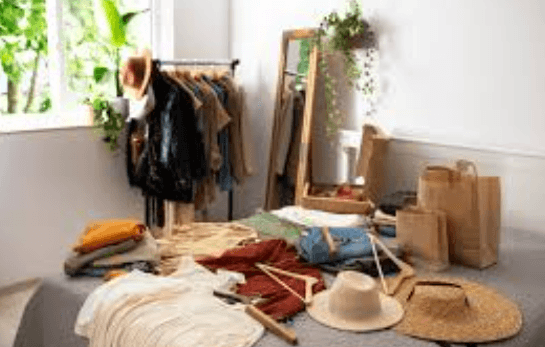
Eco-conscious fashion shopping combines environmental responsibility with durable value. Consumers gain from resilient garments, repair networks, and transparent warranties that enable informed choices. Brands earn trust through regenerative materials, fair labor practices, and standardized lifecycle reporting. A capsule wardrobe of timeless pieces reduces waste and long-term costs, while evidence-based evaluations of claims guide smarter purchases. The conversation continues as shoppers weigh trade-offs, seeking clarity in claims and practical paths to lasting style without waste.
What Makes Fashion Green Worth It
The appeal of eco-conscious fashion lies not only in reduced environmental impact but also in long-term value for consumers and industry systems.
This evaluation emphasizes durable design, supply-chain transparency, and regenerative practices.
Eco friendly materials and fair labor contribute to lower lifecycle costs, resilience, and brand trust.
Over time, these factors support innovation, market stability, and freedom to choose responsibly without sacrificing style or quality.
How to Shop for Durable, Repairable Pieces
Durable, repairable garments align consumer value with systemic resilience by prioritizing construction, materials, and repairability up front.
The approach favors durable materials, repairable construction, and long lasting design, enabling modular functionality and timeless silhouettes.
Ethical sourcing supports accountability, while transparent warranties and accessible repair networks empower autonomy, reducing waste.
Consumers should assess fabric longevity, repairability indices, and brand repair policies for informed, freedom-preserving choices.
Reading Sustainability Claims Like a Pro
Reading sustainability claims requires a disciplined, evidence-based approach that weighs provenance, certifications, and lifecycle implications rather than visceral appeal.
The discussion centers on crafting credible labels and assessing lifecycle metrics, with careful attention to methodologies, data transparency, and independent verification.
A forward-looking stance emphasizes reproducible results, standardized reporting, and consumer empowerment, enabling freedom to choose products aligned with measurable environmental performance.
Build a Versatile, Low-Wriction Capsule Wardrobe
A versatile, low-friction capsule wardrobe emerges from deliberate design choices that prioritize durable materials, modular styling, and minimal seasonal shifts, enabling consistent coordination and reduced decision fatigue.
The approach favors core pieces, high-quality fabrics, and adaptable silhouettes, supporting long-lasting use and low maintenance.
Evidence shows productivity gains and freedom from overconsumption when prioritizing capsule wardrobe, low wriction choices, and thoughtful rotation.
See also: The Future of Financial Technology
Frequently Asked Questions
How Do I Verify a Brand’s Greenwashing Claims?
The approach to verify greenwashing claims involves how to spot vague language and how to verify third party audits, examining transparent metrics, supply chain disclosures, and independent certification; it is thorough, evidence-based, forward-looking, and respects personal freedom.
What’s the True Cost per Wear for Eco-Friendly Items?
True cost varies; wear value depends on durability and usage, not trendiness. Eco claims require rigorous verification, considering lifecycle impacts. A forward-looking approach weighs long-term savings, freedom from waste, and evidence-based comparisons across brands and materials.
Are Secondhand Purchases Always More Sustainable Than New?
Yes, not always; secondhand purchases can be more sustainable, depending on lifecycle impact and durability. Are secondhand purchases, sustainability impact; Brand greenwashing verification, authenticity claims, influence choices, but verification ensures credible advantages for freedom-loving consumers.
How Can I Recycle or Upcycle Old Clothing Effectively?
Recycling textiles and upcycling techniques offer practical methods to extend garment life, reduce waste, and conserve resources; researchers highlight fiber-to-fiber processes and creative repurposing as scalable, community-driven solutions that empower consumers pursuing sustainable, freedom-minded fashion choices.
Which Certifications Reliably Indicate Genuine Sustainability?
One third-party certification landscape shows 18% variance in credibility assessments, underscoring risk in claims. Certifications credibility hinges on robust supply chain transparency, independent audits, and clear fulfillment of standards. Forward-looking, evidence-based guidance for freedom-seeking audiences.
Conclusion
Eco-conscious fashion shopping integrates durability, repairability, and transparent sourcing into a coherent value proposition. By favoring high-quality construction and repair networks, consumers reduce waste and long-term costs while supporting regenerative materials and fair labor. The approach is evidence-based: durable garments outperform disposable trends, and clear lifecycle reporting builds trust. An anticipated objection—upfront costs—is countered by long-term savings and resilience. Taken together, this strategy promotes a forward-looking wardrobe that blends responsible innovation with practical, lasting apparel.